Building Envelope Explained: What It Is and Why It Matters sets the stage for this enthralling narrative, offering readers a glimpse into a story that is rich in detail with casual formal language style and brimming with originality from the outset.
In this detailed exploration of building envelopes, we will delve into their definition, components, importance in construction, and much more to provide you with a comprehensive understanding of this crucial aspect of buildings.
Introduction to Building Envelope
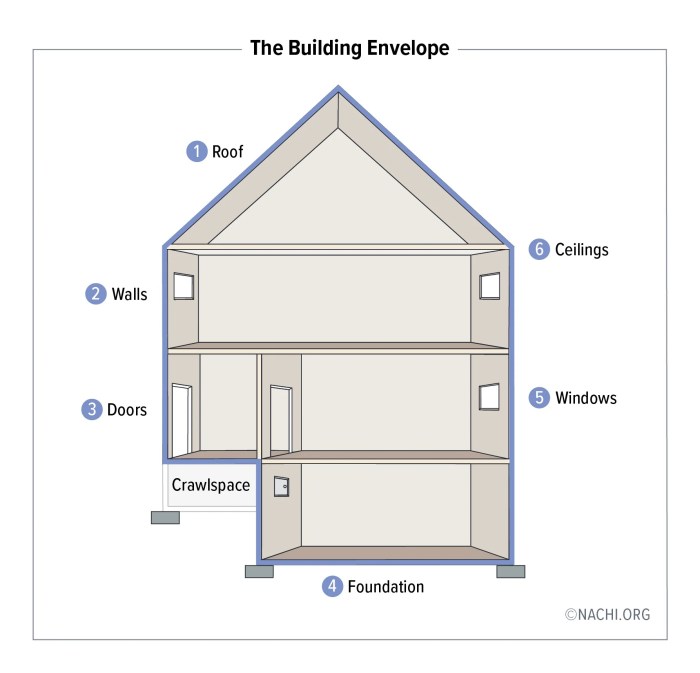
A building envelope is the physical barrier between the interior and exterior environments of a structure. It consists of all the elements that protect the building from external elements like weather, wind, and moisture.
Components of a Building Envelope
- The roof: A crucial component that shields the building from rain, snow, and sunlight.
- Exterior walls: Provide insulation and structural support while keeping out moisture and air infiltration.
- Windows and doors: Allow light and ventilation while maintaining a secure barrier.
- Foundation: Supports the entire structure and prevents moisture from seeping into the building.
Importance of a Building Envelope in Construction
The building envelope plays a vital role in ensuring the comfort, safety, and energy efficiency of a structure. A well-designed and properly constructed envelope can help reduce energy costs, improve indoor air quality, and protect the building's structural integrity over time.
Functions of a Building Envelope
The building envelope serves as the barrier between the interior and exterior environments of a structure, playing a crucial role in maintaining the building's overall performance and durability.
Thermal Insulation
One of the primary functions of a building envelope is to provide thermal insulation, helping to regulate the indoor temperature and reduce energy consumption. By minimizing heat transfer through walls, roofs, and windows, the building envelope contributes to energy efficiency and lower utility costs.
Air Tightness
The building envelope also ensures air tightness, preventing the infiltration of outside air and the escape of conditioned air. This not only enhances energy efficiency but also improves indoor air quality by reducing the entry of pollutants, allergens, and moisture into the building.
Materials Used in Building Envelopes
Building envelopes are constructed using a variety of materials that determine the overall performance and sustainability of the structure. Understanding the characteristics of these materials is crucial in ensuring the effectiveness of the building envelope in protecting the interior space.
Common Materials Used in Building Envelopes
- Brick and Stone: Known for their durability and aesthetic appeal, brick and stone are commonly used in building envelopes, providing excellent thermal mass.
- Concrete: Offering strength and durability, concrete is often used in modern building envelopes for its versatility and fire-resistant properties.
- Wood: A traditional building material, wood is still widely used in building envelopes due to its natural beauty and renewable nature.
- Metal: Materials like steel and aluminum are used in building envelopes for their strength, flexibility, and ability to create sleek, modern designs.
- Glass: Providing transparency and natural light, glass is used in building envelopes to enhance aesthetics and energy efficiency.
Characteristics of Different Building Envelope Materials
- Thermal Performance: Materials like brick, stone, and concrete offer better thermal insulation, while metal and glass may require additional insulation to improve energy efficiency.
- Durability: Brick, stone, concrete, and metal are known for their longevity and ability to withstand harsh weather conditions, while wood may require more maintenance over time.
- Sustainability: Wood is a renewable resource, making it an eco-friendly choice for building envelopes. Additionally, materials like metal and glass can be recycled, contributing to sustainability efforts.
- Aesthetics: Each material offers unique aesthetic qualities, allowing for a wide range of design possibilities in building envelopes.
Sustainability of Materials Used in Building Envelopes
- Considerations for sustainability in building envelopes include the environmental impact of material production, energy efficiency, recyclability, and overall life cycle analysis.
- Using locally sourced materials and incorporating recycled content can enhance the sustainability of building envelopes.
- Choosing materials with low embodied energy and long-term durability can reduce the environmental footprint of building envelopes.
Design Considerations for Building Envelopes
When it comes to designing an effective building envelope, there are several key considerations that architects and builders need to keep in mind. The design of the building envelope plays a crucial role in determining the overall performance and energy efficiency of a building.
Architectural Design Influence
Architectural design has a significant impact on the performance of a building envelope. The shape, orientation, and layout of a building can affect how much sunlight enters the space, as well as how well the building retains heat or stays cool.
For example, the placement of windows and shading devices can greatly influence the amount of natural light and heat gain a building receives.
Role of Insulation
Insulation is a critical component of building envelope design, as it helps regulate the temperature inside the building and reduce energy consumption. Proper insulation can prevent heat loss in the winter and heat gain in the summer, creating a more comfortable indoor environment while reducing the need for heating and cooling systems.
Different types of insulation materials, such as fiberglass, foam, or cellulose, can be used to achieve the desired level of thermal resistance in a building envelope.
Maintenance and Repair of Building Envelopes
![What is Building Envelope? A Simple Definition [+Solutions]](https://interior.ayobandung.com/wp-content/uploads/2025/11/building-envelope-defined.jpg "What is Building Envelope? A Simple Definition [+Solutions]")
Regular maintenance of building envelopes is crucial to ensure the structural integrity, energy efficiency, and longevity of a building. Neglecting maintenance can lead to costly repairs and potential safety hazards. Here, we will discuss the importance of regular maintenance, steps for inspecting and maintaining a building envelope, as well as common issues that may require repair.
Importance of Regular Maintenance
Regular maintenance of a building envelope helps in early detection of any issues, preventing them from becoming major problems. It also ensures that the building remains energy-efficient by sealing any air leaks or moisture intrusion points.
- Inspect the exterior of the building regularly to check for signs of damage or wear.
- Monitor the performance of windows, doors, and seals to prevent air leaks.
- Address any issues promptly to avoid further damage to the building envelope.
Steps for Inspecting and Maintaining a Building Envelope
Regular inspections and maintenance of a building envelope are essential to identify and address any issues before they escalate. Here are steps to follow:
- Check for cracks, gaps, or signs of water damage on the exterior walls.
- Inspect the roof for missing shingles, damaged flashing, or deteriorated sealants.
- Examine windows and doors for air leaks, damaged frames, or broken seals.
- Ensure proper drainage systems are in place to prevent water accumulation near the building.
Common Issues Requiring Repair
Several common issues may arise in a building envelope that require immediate repair to maintain its functionality and integrity. These include:
- Water infiltration through cracks or gaps in the walls.
- Air leaks around windows and doors, leading to energy loss.
- Deterioration of roofing materials, causing water damage inside the building.
- Mold or mildew growth due to moisture accumulation in the walls.
Outcome Summary
As we conclude our discussion on Building Envelope Explained: What It Is and Why It Matters, it becomes evident that the building envelope plays a vital role in ensuring structural integrity, energy efficiency, and indoor air quality. By understanding its significance and components, individuals involved in construction can make informed decisions to create sustainable and efficient buildings.
FAQ Summary
What are the primary functions of a building envelope?
The primary functions of a building envelope include providing structural support, controlling heat flow, and preventing moisture intrusion.
What are common materials used in constructing a building envelope?
Common materials used in building envelopes are concrete, steel, wood, glass, and various types of insulation materials.
How does architectural design influence the performance of a building envelope?
Architectural design impacts the performance of a building envelope by determining factors like shape, orientation, and placement of windows that affect energy efficiency and indoor comfort levels.
Why is regular maintenance important for building envelopes?
Regular maintenance is crucial for building envelopes to ensure they remain structurally sound, energy-efficient, and free from issues like water damage or air leaks.
What are key design considerations for an effective building envelope?
Key design considerations include proper insulation, air sealing, moisture control, and choosing durable and sustainable materials.