Delving into the intricacies of building envelope inspections, this guide sheds light on the key aspects of passing such examinations. From understanding the process to ensuring proper maintenance, this narrative offers valuable insights for property owners and professionals alike.
As we embark on this exploration, let's uncover the essential steps and strategies needed to navigate the world of building envelope inspections successfully.
Understanding Building Envelope Inspections
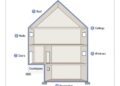
A building envelope inspection involves a thorough assessment of the exterior components of a building, such as the walls, roof, windows, and doors. The goal is to ensure that the building is properly sealed and protected from environmental elements.
Passing a building envelope inspection is crucial for maintaining the structural integrity of a building and preventing issues such as water intrusion, air leakage, and energy loss. It also helps in enhancing the overall energy efficiency and comfort of the building.
Common Issues During Building Envelope Inspections
- Poorly installed or damaged flashing: Improper installation or damage to flashing around windows, doors, and roof penetrations can lead to water leaks.
- Inadequate insulation: Insufficient insulation in walls and roofs can result in heat loss, increased energy bills, and discomfort for occupants.
- Cracks and gaps: Small cracks or gaps in the building envelope can allow air and moisture to enter, leading to mold growth and structural damage.
- Improper sealing: Inadequate sealing around windows, doors, and joints can cause air leakage and draft issues.
Preparing for a Building Envelope Inspection
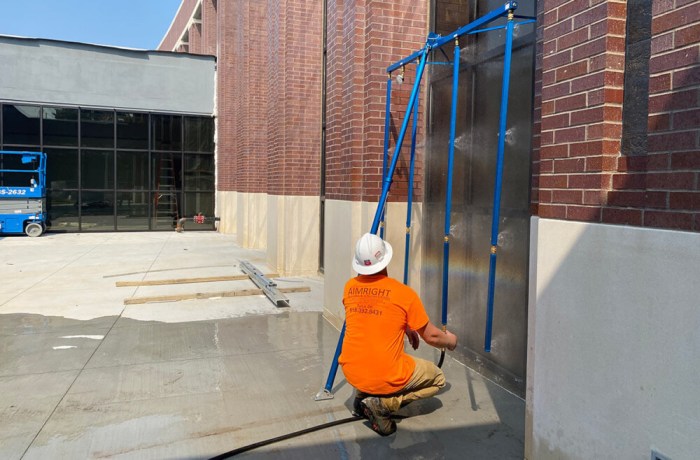
When preparing for a building envelope inspection, there are several key steps that need to be taken to ensure a successful assessment of the structure's integrity. It is crucial to pay attention to specific areas and involve professionals in the process to address any issues effectively.
Steps to Prepare a Building for an Inspection
- Clear the Surrounding Area: Remove any obstacles or debris that may hinder the inspection process.
- Inspect Exterior Components: Check windows, doors, walls, and roofs for any visible damage or signs of wear and tear.
- Address Maintenance Needs: Perform necessary repairs or maintenance tasks to ensure the building is in optimal condition.
- Gather Documentation: Have all relevant documents, including construction plans and permits, readily available for the inspector.
- Coordinate with Professionals: Consult with architects, engineers, or contractors to address any structural concerns before the inspection.
Key Areas of Focus when Preparing for the Inspection
- Water Intrusion Points: Address any areas where water can seep into the building, such as around windows, doors, or roof penetrations.
- Air Leakage: Check for gaps or cracks that may allow air to escape or enter the building, impacting energy efficiency.
- Thermal Performance: Evaluate insulation levels and the effectiveness of the building envelope in maintaining a comfortable indoor temperature.
- Safety Measures: Ensure that the structure meets safety standards, including fire protection and structural stability.
Role of a Professional in the Preparation Process
- Expert Assessment: Professionals can identify potential issues that may not be visible to the untrained eye, ensuring a thorough inspection.
- Recommendations: They can provide recommendations for repairs or improvements based on their expertise and knowledge of building envelope systems.
- Certifications: Working with certified professionals can instill confidence in the inspection process and the building's compliance with regulations.
Ensuring Proper Installation and Maintenance
Proper installation and maintenance of the building envelope are crucial for passing inspections and ensuring the long-term durability of the structure.
Importance of Proper Installation
Proper installation of the building envelope components, such as insulation, air barriers, and moisture barriers, is essential to prevent water infiltration, air leaks, and heat loss. Improper installation can lead to structural damage, energy inefficiency, and ultimately inspection failure.
Tips for Maintaining the Building Envelope
- Regularly inspect the building envelope for any signs of damage, such as cracks, gaps, or water stains.
- Address any issues promptly by repairing or replacing damaged components to prevent further damage.
- Ensure proper drainage around the building to prevent water buildup and potential leaks.
- Regularly clean gutters and downspouts to prevent clogs and water overflow that could damage the building envelope.
- Monitor the condition of sealants and caulking around windows, doors, and other penetrations, and reapply as needed.
Impact of Regular Maintenance on Passing Future Inspections
Regular maintenance of the building envelope not only ensures the longevity of the structure but also increases the chances of passing future inspections. By addressing issues early on and maintaining the integrity of the building envelope, you can demonstrate to inspectors that the structure is well-maintained and compliant with building codes.
Common Building Envelope Deficiencies
During building envelope inspections, some common deficiencies are frequently found that can impact the overall performance of a building. Addressing and rectifying these deficiencies is crucial to maintain the integrity of the structure and ensure a healthy indoor environment.
Poor Window and Door Installation
Improper installation of windows and doors can lead to air and water infiltration, causing energy loss and potential water damage. It is essential to ensure proper sealing and insulation during installation to prevent these issues.
Inadequate Insulation
Lack of proper insulation in the building envelope can result in energy inefficiency and discomfort for occupants. Inspecting and adding insulation where needed can improve energy performance and overall comfort levels.
Defective Roofing
Roofing defects such as leaks, ponding water, or damaged shingles can compromise the building envelope's ability to keep out moisture. Regular roof inspections and timely repairs are necessary to prevent water damage and ensure structural integrity.
Caulking and Sealant Failures
Failure of caulking and sealants around penetrations like pipes, vents, and windows can allow water and air infiltration. Periodic inspection and maintenance of these sealants are essential to prevent leaks and maintain a watertight building envelope.
Poor Ventilation
Inadequate ventilation can lead to moisture buildup, mold growth, and poor indoor air quality. Ensuring proper ventilation systems are in place and functioning correctly can help maintain a healthy indoor environment and prevent moisture-related issues.
Working with Professionals
When it comes to passing building envelope inspections, working with professionals such as architects, engineers, and contractors is crucial. These professionals play a key role in ensuring that the building envelope is properly designed, constructed, and maintained to meet inspection standards.
The Role of Professionals
- Architects: Architects are responsible for designing the building envelope to meet structural and aesthetic requirements. They ensure that the design complies with building codes and regulations.
- Engineers: Engineers provide technical expertise in analyzing structural integrity, energy efficiency, and durability of the building envelope. They ensure that the design is structurally sound and meets performance standards.
- Contractors: Contractors are responsible for the actual construction and installation of the building envelope. They ensure that the materials are properly installed according to the design specifications.
Choosing the Right Professionals
- Check credentials and qualifications: Look for professionals with relevant experience, certifications, and a solid track record in building envelope design and construction.
- Ask for references: Request references from past clients to gauge the professionalism and quality of work of the professionals you are considering.
- Communication skills: Choose professionals who communicate effectively, listen to your needs, and provide clear explanations throughout the inspection process.
Collaborating Effectively
- Establish clear expectations: Communicate your goals, timelines, and budget constraints upfront to ensure everyone is on the same page.
- Regular communication: Maintain open communication with professionals to address any concerns or issues that may arise during the inspection process.
- Trust their expertise: Professionals have the knowledge and experience to guide you through the inspection process, so trust their recommendations and insights.
Summary
In conclusion, mastering the art of passing a building envelope inspection requires diligence, attention to detail, and a proactive approach to maintenance. By following the guidelines Artikeld in this guide, you can ensure that your property meets the necessary standards and stands the test of time.
Essential Questionnaire
What are the key areas to focus on when preparing for a building envelope inspection?
Key areas include proper sealing of windows and doors, structural integrity of walls, and ensuring adequate insulation throughout the building.
How can regular maintenance impact future building envelope inspections?
Regular maintenance can prevent minor issues from escalating, ensuring that the building remains in optimal condition and is more likely to pass future inspections with flying colors.