Embark on a journey into the world of modular design with Potters Interiors. Discover how to transform your living spaces with innovative tips and tricks that bring a touch of elegance and practicality to your home.
Delve deeper into the realm of interior decor as we explore the endless possibilities offered by modular design principles.
Modular Design Principles
Modular design in interior decor refers to the approach of creating spaces using individual components that can be easily assembled, disassembled, or rearranged to adapt to different needs and preferences.
This design concept focuses on flexibility, functionality, and efficiency, allowing for customization and reconfiguration without the need for major renovations or redesigns.
Enhanced Flexibility and Functionality
- Modular furniture such as sectional sofas, shelving units, and storage systems offer the ability to adjust and expand based on the available space and changing requirements.
- Partition walls or room dividers can be used to create separate areas within a room, providing privacy when needed and an open layout when desired.
- Modular lighting fixtures, such as track lighting or pendant lights, can be easily repositioned to illuminate different areas or highlight specific features in a space.
- Modular wall panels or tiles allow for easy installation and removal, enabling quick updates to the aesthetics of a room without extensive construction work.
Benefits of Modular Design
Modular design offers numerous advantages when incorporated into interior design projects. One of the key benefits is its flexibility and adaptability to changing needs and preferences over time. Let's delve into the specifics below.
Customization and Flexibility
Modular design allows for easy customization and flexibility in interior spaces. By incorporating modular elements such as furniture, shelving units, and storage systems, homeowners can easily rearrange and reconfigure their space to suit their changing needs and preferences. This flexibility ensures that the design can evolve along with the inhabitants' lifestyle changes.
Cost-Efficiency
Another advantage of modular design is its cost-efficiency. Since modular elements can be easily disassembled, moved, or added onto, homeowners can avoid the need for extensive renovations or costly replacements. This can result in significant cost savings in the long run, making modular design a practical choice for budget-conscious individuals.
Sustainability
Modular design is also a sustainable choice for interior design projects. By using modular elements made from eco-friendly materials and incorporating sustainable practices such as recycling and upcycling, homeowners can reduce their environmental impact and create a more eco-conscious living space.
This aligns with the increasing focus on sustainability in design and construction industries.
Time-Saving
Lastly, modular design can save time during the design and construction phases of a project. Since modular elements are prefabricated and easily installed, the overall timeline for completing a project can be significantly reduced. This can be particularly beneficial for homeowners who have time constraints or need to quickly update their living space.
Incorporating Modular Furniture
When it comes to incorporating modular furniture into your space, it's essential to carefully select and arrange pieces to maximize both functionality and aesthetics.
One key tip is to start by assessing the layout of your room and identifying the specific needs and functions of the space. This will help you determine the types of modular furniture pieces that will best suit your requirements.
Selecting and Arranging Modular Furniture Effectively
Before purchasing modular furniture, consider the size and scale of the pieces in relation to the room. Opt for pieces that are proportionate to the space and leave enough room for easy movement.
- Choose modular furniture that can be easily reconfigured to adapt to different layouts and functions within the room.
- Consider the color and style of the modular furniture to ensure it complements the overall design scheme of the space.
- Arrange modular furniture in a way that promotes flow and cohesion, avoiding cluttered or crowded arrangements.
Mixing and Matching Modular Furniture
Mixing and matching modular furniture pieces can add visual interest and create a cohesive look in your space.
- Blend different modular units with varying heights, shapes, and functionalities to create a dynamic and versatile layout.
- Experiment with combining different materials, textures, and colors to add depth and personality to the space.
- Use modular furniture as accent pieces to highlight specific areas or functions within the room.
Maximizing Space with Modular Design
When it comes to optimizing space in your home, modular design solutions can be a game-changer. By strategically incorporating modular furniture and storage units, you can make the most out of even the smallest or awkwardly shaped rooms.
Utilize Vertical Space
One effective strategy for maximizing space with modular design is to utilize vertical space. Consider installing floor-to-ceiling modular shelving units or wall-mounted cabinets to make use of the often-overlooked space above eye level.
Multi-Functional Furniture
Another way to optimize space is by incorporating multi-functional furniture pieces. Look for modular sofas that can double as beds, or coffee tables with hidden storage compartments. These versatile pieces help save space while adding functionality to your room.
Customize to Fit Your Space
Modular design allows for customization to fit your specific space requirements. Whether you have a small nook or an oddly shaped corner, modular furniture can be tailored to fit perfectly, maximizing every inch of your room.
Customizing Modular Elements
When it comes to modular design, customizing elements can add a personal touch and unique flair to your space. Whether you're looking to adapt a piece to fit specific design requirements or simply want to infuse your individual style, there are various techniques to explore.
Techniques for Personalizing Modular Pieces
- Choose Custom Fabrics: Opt for fabrics that match your style and color scheme to give your modular furniture a personalized look.
- Mix and Match Components: Combine different modular elements to create a one-of-a-kind piece that suits your needs and aesthetic preferences.
- Custom Finishes: Experiment with different finishes such as wood stains, paints, or metal accents to customize the appearance of your modular furniture.
- Add Personal Touches: Incorporate elements like unique hardware, decorative trims, or personalized details to make your modular pieces stand out.
Final Summary
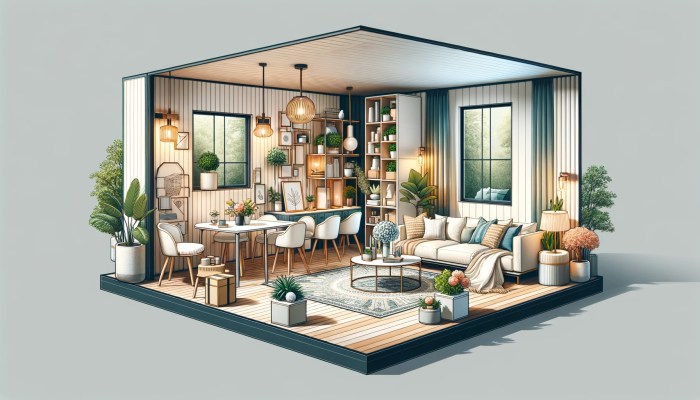
In conclusion, Modular Design Tips from Potters Interiors offers a fresh perspective on home styling, emphasizing the importance of adaptability and customization. Elevate your living environment with these insights and watch your space come to life in ways you never imagined.
FAQ Section
How can modular design enhance flexibility in a space?
Modular design allows for easy rearrangement and customization of furniture pieces, making it simple to adapt to changing needs and preferences.
What are some strategies for optimizing space with modular design?
Utilizing multifunctional furniture, such as modular sofas with storage compartments, can help maximize space in smaller rooms.
Is it possible to customize modular elements to fit specific design requirements?
Yes, modular elements can be customized through various finishes, materials, and configurations to suit individual design preferences.