Delving into Front Door Installation & Permits: What You Should Know, this overview aims to provide valuable insights on the process and requirements involved.
Exploring the nuances of front door installation and permits can shed light on crucial aspects homeowners should be aware of.
Front Door Installation
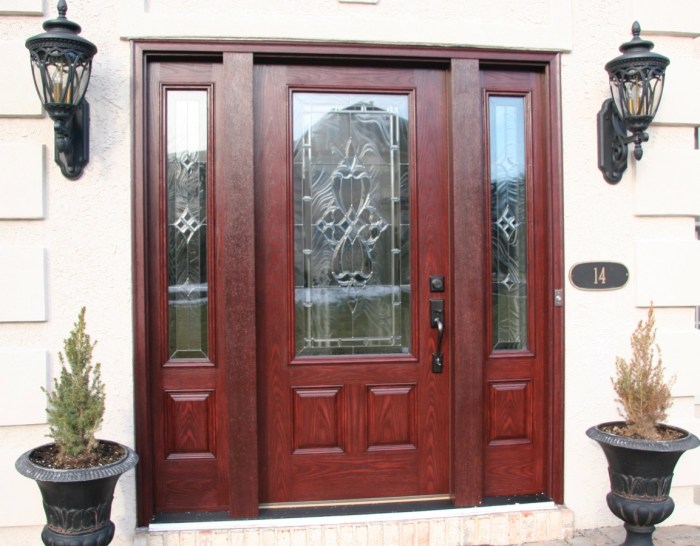
Installing a front door may seem like a simple task, but it is crucial to ensure proper installation for security, energy efficiency, and aesthetic appeal of your home.
Importance of Proper Front Door Installation
Proper front door installation is essential for security reasons, as a securely installed door acts as a barrier against intruders. Additionally, a well-installed front door helps in maintaining energy efficiency by preventing drafts and heat loss. Lastly, a properly installed front door enhances the curb appeal of your home, adding to its overall value.
Steps Involved in Installing a Front Door
- Measure the door frame to ensure the new door will fit properly.
- Remove the existing door and frame carefully.
- Prepare the door frame by making any necessary adjustments or repairs.
- Install the new door by aligning it with the frame and securing it with screws.
- Add weather-stripping and insulation to ensure a tight seal.
- Test the door to make sure it opens, closes, and locks smoothly.
Common Materials and Tools Required for Front Door Installation
- Front door
- Door frame
- Screws and nails
- Weather-stripping
- Insulation
- Level
- Tape measure
- Screwdriver
- Hammer
- Saw
Permits for Front Door Installation
When it comes to installing a new front door, it's important to be aware of the permits required for the job. Here, we will discuss the permits needed for front door installation, the process of obtaining them, and the regulations and codes that are relevant to front door installation permits.
Permits Needed for Front Door Installation
Before you can start installing a new front door, you may need to obtain the following permits:
- A building permit: This is typically required for any structural modifications to your home, including installing a new front door.
- A zoning permit: Depending on your location, you may need a zoning permit to ensure that the installation complies with local zoning regulations.
- An inspection permit: Once the installation is complete, an inspection permit may be required to ensure that the work meets building codes and standards.
Process of Obtaining Permits for Front Door Installation
The process of obtaining permits for front door installation usually involves the following steps:
- Submit an application: Begin by submitting an application for the necessary permits to the relevant local authority.
- Pay fees: There may be fees associated with the permit application process that need to be paid.
- Approval process: The application will go through a review process to ensure compliance with regulations and codes.
- Inspection: After installation, an inspection may be conducted to verify that the work meets the required standards.
Regulations and Codes for Front Door Installation Permits
Front door installation permits are subject to various regulations and codes to ensure safety and compliance. Some of the key regulations and codes include:
- Building codes: These codes Artikel the minimum requirements for construction and installation to ensure safety and structural integrity.
- Zoning regulations: Zoning regulations dictate where and how certain types of structures can be built, including front doors.
- Accessibility standards: Front door installations may need to comply with accessibility standards to accommodate individuals with disabilities.
Choosing the Right Front Door
When it comes to choosing the right front door for your home, there are several factors to consider. Not only does your front door play a crucial role in enhancing your home's curb appeal, but it also contributes to energy efficiency and security.
Types of Front Doors
- Wooden Doors: Known for their classic and traditional look, wooden doors offer a timeless appeal. However, they may require more maintenance compared to other materials.
- Steel Doors: Steel doors are durable, low-maintenance, and provide excellent security. They are also energy-efficient and can be painted in various colors.
- Fiberglass Doors: Fiberglass doors mimic the look of wood but require less maintenance. They are energy-efficient, durable, and can withstand harsh weather conditions.
Tips for Selecting a Front Door
- Consider your home's architectural style and choose a front door that complements it.
- Pay attention to energy efficiency by selecting a door with proper insulation to reduce energy costs.
- Focus on security features such as a sturdy frame, quality locks, and a peephole to enhance the safety of your home.
Importance of Energy Efficiency and Security
Energy-efficient front doors help regulate indoor temperatures, reducing heating and cooling costs. Opting for a door with high energy efficiency can make your home more comfortable while minimizing environmental impact.
Security features are essential to protect your home and loved ones from potential intruders. Investing in a front door with robust security features can provide peace of mind and enhance the overall safety of your property.
Maintenance and Upkeep
Regular maintenance is crucial to ensure the longevity and functionality of your front door. Weather conditions, such as extreme heat, cold, rain, or humidity, can impact the door's material and finish over time. Here are some essential maintenance tasks and DIY tips to keep your front door in good condition.
Weather Conditions Impact
Weather conditions play a significant role in the wear and tear of front doors. Exposure to sunlight can cause fading and warping of wooden doors, while moisture from rain or snow can lead to rotting or mold growth. It's essential to choose a front door material that can withstand your local climate and to regularly inspect and address any signs of damage.
DIY Tips for Maintenance
- Regularly clean the door with a mild detergent and water to remove dirt and grime.
- Inspect the weather-stripping and seals around the door for any gaps or damage, and replace them if needed to maintain energy efficiency.
- Repaint or refinish the door as necessary to protect it from the elements and enhance its appearance.
- Check the hinges and hardware for any loose screws or signs of wear, and tighten or replace them to ensure smooth operation.
- Lubricate the hinges and locks with a silicone-based lubricant to prevent squeaking and ensure proper function.
Final Conclusion
Concluding our discussion on Front Door Installation & Permits: What You Should Know, it's evident that proper understanding and compliance with regulations are key in this home improvement journey.
Query Resolution
What permits are required for front door installation?
Permits typically include building permits and possibly zoning permits, depending on your location. It's crucial to check with your local authorities for specific requirements.
How do weather conditions impact front door longevity?
Extreme weather conditions like heavy rain or snow can deteriorate the door material over time. Regular maintenance and protective measures can help enhance longevity.