Exploring the realm of Building Envelope Materials That Cut Energy Costs opens up a world of possibilities. From innovative technologies to sustainable choices, this topic delves into the key factors driving energy-efficient building practices.
Let's uncover the secrets behind reducing energy costs through strategic material selection and discover how these choices can revolutionize the way we think about construction.
Importance of Building Envelope Materials
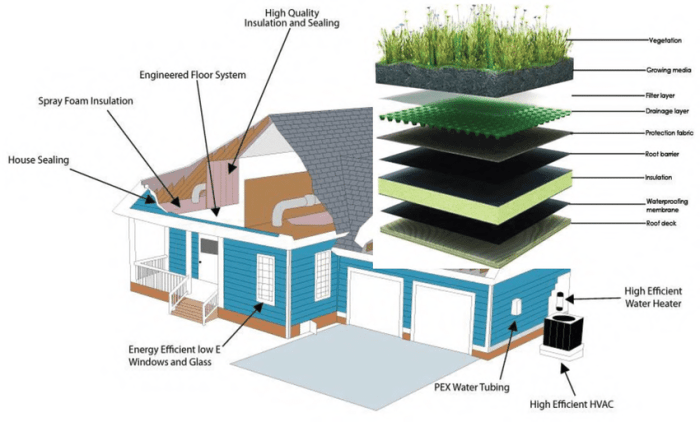
Building envelope materials play a crucial role in reducing energy costs by providing insulation and protection from the elements. The proper selection of materials can significantly enhance energy efficiency in buildings, leading to lower utility bills and a reduced carbon footprint.
Popular Building Envelope Materials and Their Energy-Saving Properties
- Insulation: Materials like fiberglass, cellulose, and spray foam help regulate indoor temperature, reducing the need for heating and cooling.
- Windows: Double or triple-glazed windows with low emissivity coatings prevent heat loss in winter and heat gain in summer.
- Roofing: Reflective roof coatings and cool roofs can reduce the amount of heat absorbed by the building, decreasing the need for air conditioning.
- Exterior Cladding: Materials such as brick, stone, and fiber cement provide additional insulation and protection against moisture intrusion.
Types of Building Envelope Materials
When it comes to building envelope materials for energy efficiency, there are several options available that can help in reducing energy costs. These materials play a crucial role in maintaining a comfortable indoor environment while minimizing the need for excessive heating or cooling.
Insulation
Insulation is one of the most common building envelope materials used to reduce heat transfer between the interior and exterior of a building. By adding insulation to walls, floors, and roofs, it helps in regulating the temperature inside the building, leading to lower energy consumption.
Different types of insulation materials such as fiberglass, foam, and cellulose offer varying levels of thermal resistance to improve energy efficiency.
Windows
Windows also play a significant role in the energy efficiency of a building. Energy-efficient windows with double or triple glazing, low-emissivity coatings, and insulated frames help in reducing heat loss or gain. By preventing air leakage and providing better insulation, windows contribute to cutting energy costs by maintaining a consistent indoor temperature without over-reliance on heating or cooling systems.
Roofing
Roofing materials can impact the energy efficiency of a building by reducing heat gain through the roof. Reflective roof coatings, cool roofs, and green roofs are some of the options available to improve energy performance. These materials help in reflecting solar radiation, reducing heat absorption, and enhancing insulation, thereby lowering the demand for air conditioning during hot weather.
Factors to Consider When Choosing Materials
When selecting building envelope materials for energy cost reduction, it is crucial to consider key factors that can make a significant impact on the overall effectiveness of the building's energy efficiency. Factors such as durability, insulation value, and environmental impact play a vital role in material selection.
Balancing cost-effectiveness with energy-saving capabilities is essential to ensure long-term benefits for the building and its occupants.
Importance of Durability
Durability is a critical factor to consider when choosing building envelope materials
Insulation Value
The insulation value of building envelope materials is another crucial consideration for energy cost reduction. Effective insulation helps regulate indoor temperature, reducing the need for heating and cooling systems to work overtime. By choosing materials with high insulation value, you can improve energy efficiency, lower utility bills, and create a more comfortable indoor environment for occupants.
Environmental Impact
Considering the environmental impact of building envelope materials is essential in today's environmentally conscious world. Opting for materials that are sustainable, recyclable, or made from renewable resources can help minimize the carbon footprint of the building. By choosing eco-friendly materials, you not only reduce energy costs but also contribute to a greener and more sustainable future.
Innovations in Building Envelope Materials
Recent innovations in building envelope materials have been focused on reducing energy consumption and increasing the overall efficiency of buildings. Advanced technologies such as smart coatings, phase change materials, and aerogels have emerged as promising solutions to address these challenges.
Smart Coatings
Smart coatings are designed to respond to external stimuli such as temperature changes, light exposure, or moisture levels. These coatings can help regulate heat transfer, enhance insulation, and improve the overall energy performance of a building. By adjusting their properties in real-time, smart coatings can contribute to significant energy savings.
Phase Change Materials (PCMs)
Phase change materials are substances that can store and release thermal energy during phase transitions, such as solid to liquid or vice versa. When integrated into building envelope materials, PCMs can help stabilize indoor temperatures by absorbing excess heat during the day and releasing it at night, reducing the need for mechanical heating or cooling systems.
Aerogels
Aerogels are lightweight and highly porous materials with excellent thermal insulating properties. These materials can be incorporated into building envelopes to enhance insulation, reduce heat transfer, and improve energy efficiency. Aerogels offer a high level of thermal resistance while maintaining a slim profile, making them ideal for retrofitting existing buildings or constructing new energy-efficient structures.
Closing Summary
As we wrap up our discussion on Building Envelope Materials That Cut Energy Costs, it's evident that the right materials can make a significant impact on energy savings. By embracing advancements and making informed decisions, we pave the way for a more sustainable and cost-effective future in construction.
User Queries
What role do building envelope materials play in reducing energy costs?
Building envelope materials act as a barrier to heat transfer, helping regulate indoor temperatures and reduce the need for excessive heating or cooling.
How can I balance cost-effectiveness with energy-saving capabilities when choosing materials?
Consider long-term savings versus initial costs, prioritize materials with high insulation value, and explore sustainable options for a balance between cost and energy efficiency.
What are some recent innovations in building envelope materials for energy cost reduction?
Recent innovations include smart coatings that reflect heat, phase change materials that store and release energy, and aerogels with high insulation properties.