Exploring the unique fusion of tradition and innovation in the architectural world, we delve into the captivating works of Alexander Brodsky. Known for his distinctive style, Brodsky seamlessly blends historical elements with modern concepts, creating a visual narrative that intrigues and inspires.
As we uncover the intricate details of Brodsky's approach to architecture, we unravel a tapestry of creativity that transcends conventional boundaries, offering a fresh perspective on the dynamic relationship between tradition and innovation.
Background of Alexander Brodsky
Alexander Brodsky is a renowned Russian architect known for his unique blend of tradition and innovation in his works. His architectural style often incorporates elements of Russian folklore, history, and craftsmanship, combined with modern design principles.
Alexander Brodsky’s Architectural Style
- Brodsky's architectural style is characterized by a juxtaposition of traditional Russian architectural elements with contemporary design concepts.
- He often uses materials like wood, metal, and recycled objects to create structures that evoke a sense of nostalgia while embracing modern functionality.
- Brodsky's works are known for their poetic and whimsical qualities, challenging conventional ideas of architecture and space.
Notable Works Blending Tradition and Innovation
- Garage Center for Contemporary Culture in Moscow: Brodsky transformed a historic bus garage into a cultural center, blending industrial aesthetics with artistic elements.
- House with Figures in Moscow: This installation features minimalist wooden figures on the facade of a building, creating a playful and interactive design.
- Ice House in St. Petersburg: Brodsky constructed a temporary structure entirely out of ice blocks, showcasing his innovative approach to materiality and form.
Influence of Russian Architectural Traditions
- Brodsky's work is deeply influenced by Russian architectural traditions, such as the use of intricate wooden carvings, colorful patterns, and onion domes seen in traditional Russian buildings.
- He often incorporates these elements into his designs, reinterpreting them in a contemporary context to create a dialogue between the past and the present.
Brodsy’s Background Shaping His Approach
- Coming from a background in fine arts, Brodsky's approach to architecture is informed by his artistic sensibilities, emphasizing creativity and experimentation in his designs.
- His early experiences in the Soviet Union, where resources were limited, have influenced his use of unconventional materials and methods in his architectural practice.
- Brodsky's background has shaped his unique perspective on architecture, allowing him to create spaces that are not only visually striking but also emotionally resonant.
Traditional Elements in Brodsky’s Work
Alexander Brodsky's work is characterized by a unique blend of traditional architectural elements with a modern twist. His designs often incorporate historical references that add depth and meaning to his projects, creating a sense of continuity with the past while looking towards the future.
Traditional Architectural Elements in Brodsky’s Designs
- Brodsky frequently uses elements such as arches, columns, and intricate detailing reminiscent of classical architecture.
- His buildings often feature steeply pitched roofs, wooden facades, and asymmetrical layouts inspired by traditional Russian village architecture.
- Brodsky's use of materials like brick, wood, and metal reflects a commitment to craftsmanship and longevity, echoing traditional construction methods.
Brodsky’s Integration of Historical References
- By incorporating historical references into his modern projects, Brodsky creates a dialogue between past and present, offering a new perspective on architectural traditions.
- His reinterpretation of traditional elements allows for a deeper exploration of cultural heritage and identity within contemporary architectural contexts.
Comparison with Contemporary Trends
- While many contemporary architects focus on sleek, minimalistic designs, Brodsky's work stands out for its rich tapestry of traditional elements woven into innovative structures.
- His approach challenges the prevailing trend towards abstraction and emphasizes the importance of rootedness in history and place.
Brodsky’s Unique Interpretation of Tradition
- What sets Brodsky apart in the field is his ability to infuse tradition with a sense of whimsy and playfulness, creating spaces that feel both familiar and surprising.
- His reinterpretation of traditional elements transcends mere imitation, offering a fresh perspective on the enduring relevance of historical architecture in contemporary design.
Innovative Approaches in Brodsky’s Architecture
Alexander Brodsky is known for his innovative approaches in architecture, where he combines traditional elements with modern techniques to create unique and thought-provoking designs.
Innovative Techniques and Materials
- Brodsky often experiments with unconventional materials such as salvaged wood, metal scraps, and abandoned objects to add a sense of history and texture to his projects.
- He incorporates innovative construction methods like layering translucent materials to play with light and shadow, creating dynamic and immersive spaces.
- Brodsky's use of unexpected elements like mirrors, unconventional angles, and asymmetrical shapes challenges the viewer's perception of space and architecture.
Pushing Boundaries while Maintaining Tradition
While pushing boundaries with his avant-garde designs, Brodsky still maintains a deep connection to tradition by drawing inspiration from historical architecture and cultural narratives.
Challenging Conventional Architectural Norms
- Brodsky challenges conventional norms by reinterpreting traditional architectural forms in a contemporary context, breaking free from standard design conventions.
- His willingness to embrace imperfections and incorporate elements of decay and abandonment into his work challenges the idea of architecture as a pristine and perfect entity.
Influence on Other Architects
Alexander Brodsky's innovative thinking has influenced a new generation of architects who are inspired by his bold experimentation, unconventional use of materials, and unique design philosophy.
Balancing Tradition and Innovation
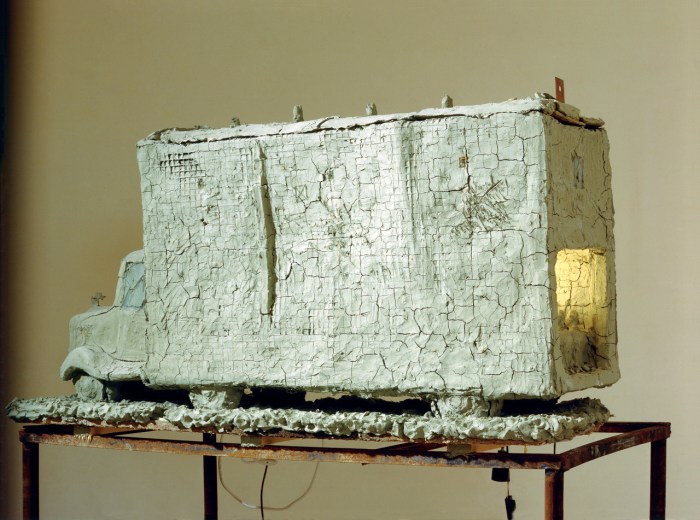
When it comes to blending tradition and innovation in his designs, Alexander Brodsky demonstrates a unique ability to find a harmonious balance between the two elements. By incorporating traditional elements in his work while also infusing it with innovative approaches, Brodsky creates architectural pieces that pay homage to the past while embracing the future.
Finding Balance in Design
One of the challenges Brodsky faces when blending tradition with innovation is ensuring that the traditional elements he incorporates do not overshadow the innovative aspects of his designs. It is essential to strike a delicate balance between the two to create a cohesive and visually appealing architectural piece.
Importance of Balance
- Preservation of Cultural Heritage: By integrating traditional elements into his designs, Brodsky helps preserve cultural heritage and traditions, ensuring they are not lost in the face of modernization.
- Creative Expression: Balancing tradition with innovation allows architects like Brodsky to showcase their creativity and vision, creating spaces that are both functional and aesthetically pleasing.
- User Experience: Maintaining a balance between tradition and innovation in architecture enhances the user experience, creating spaces that resonate with people on a deeper level.
Recommendations for Aspiring Architects
- Study Architectural History: Understanding the roots of architectural traditions can provide valuable insights into how to incorporate them into innovative designs.
- Experiment with Materials: Explore new materials and construction techniques to push the boundaries of traditional design while maintaining a connection to the past.
- Collaborate with Experts: Working with experts in traditional crafts and techniques can help aspiring architects learn how to seamlessly blend tradition with innovation in their work.
Closing Summary
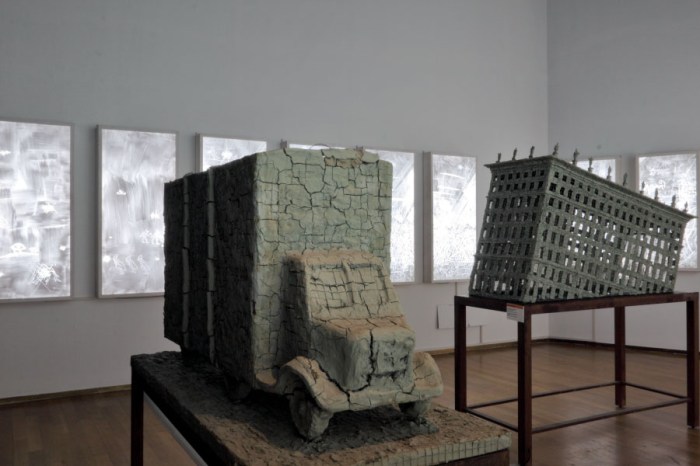
In conclusion, Alexander Brodsky's ability to harmonize tradition with innovation not only showcases his artistic prowess but also challenges the norms of architectural practice. His visionary creations serve as a testament to the timeless appeal of blending the old with the new, leaving a lasting impact on the architectural landscape.
Query Resolution
How does Alexander Brodsky incorporate historical elements into his modern projects?
Answer: Alexander Brodsky seamlessly integrates traditional architectural elements into his designs by reinterpreting historical references in a contemporary context, creating a harmonious blend of past and present.
What challenges does Brodsky face when blending tradition with innovation?
Answer: One of the main challenges Brodsky faces is striking the right balance between preserving traditional elements and incorporating innovative techniques to ensure the cohesion and integrity of his architectural vision.
How has Brodsky's innovative thinking influenced other architects?
Answer: Brodsky's innovative approaches have inspired a new wave of creativity in the architectural community, sparking conversations and pushing boundaries in the field of design and construction.